"No septic system is proposed, the homes will have aerobic systems on half acre lots."
That's how the minutes of Moore's December 9, 2025 Planning Commission meeting summarize the project engineer's answer. Chris Anderson of SMC Consulting Engineers was speaking for developer Mike Pierce, and he was answering a commissioner who had asked how septic maintenance would work on lots the size of Mahogany Hills, Section 2. It was a short exchange in a long agenda. For anyone buying or selling a home here, though, it may be the most useful thing in the city's records.
Under Oklahoma rules, an aerobic system comes with two years of free maintenance from the installer. That two years starts on the day the system is installed. Closing day doesn't reset it, and it doesn't wait for the first family to move in. So two homes on the same street, built by the same team, can come to the closing table with very different amounts of coverage left.
What the City Record Says About These Lots
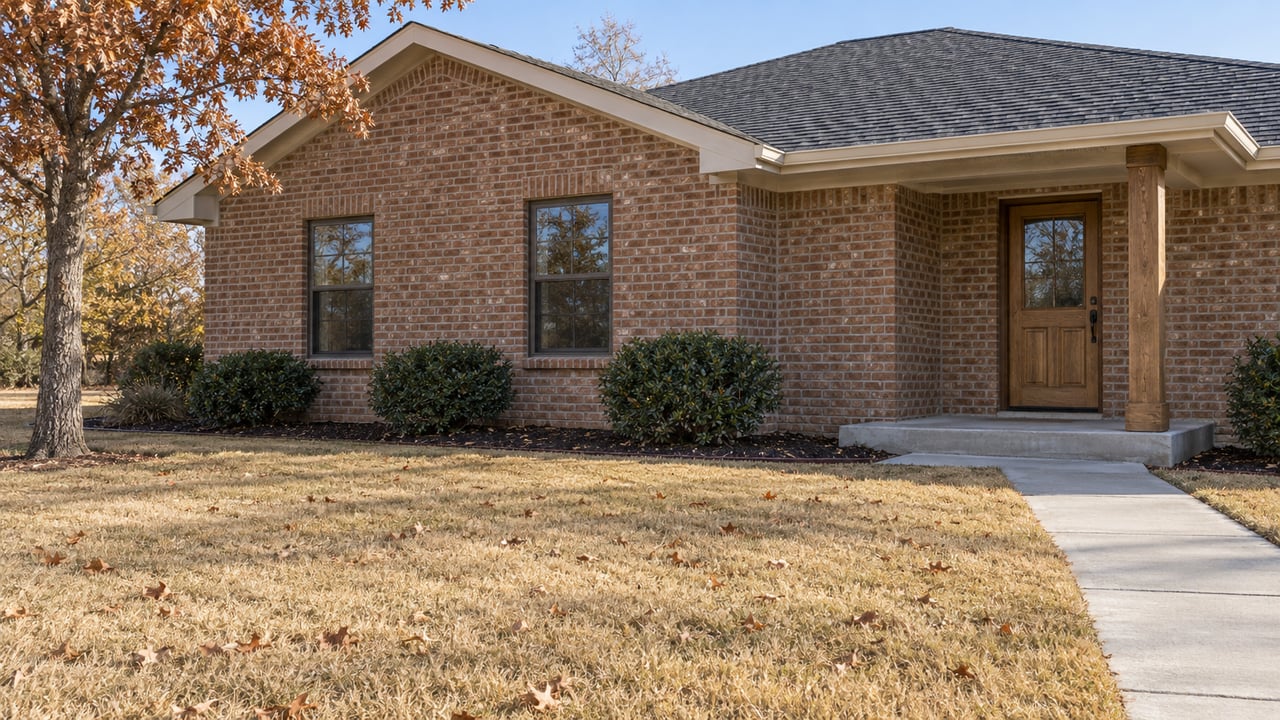
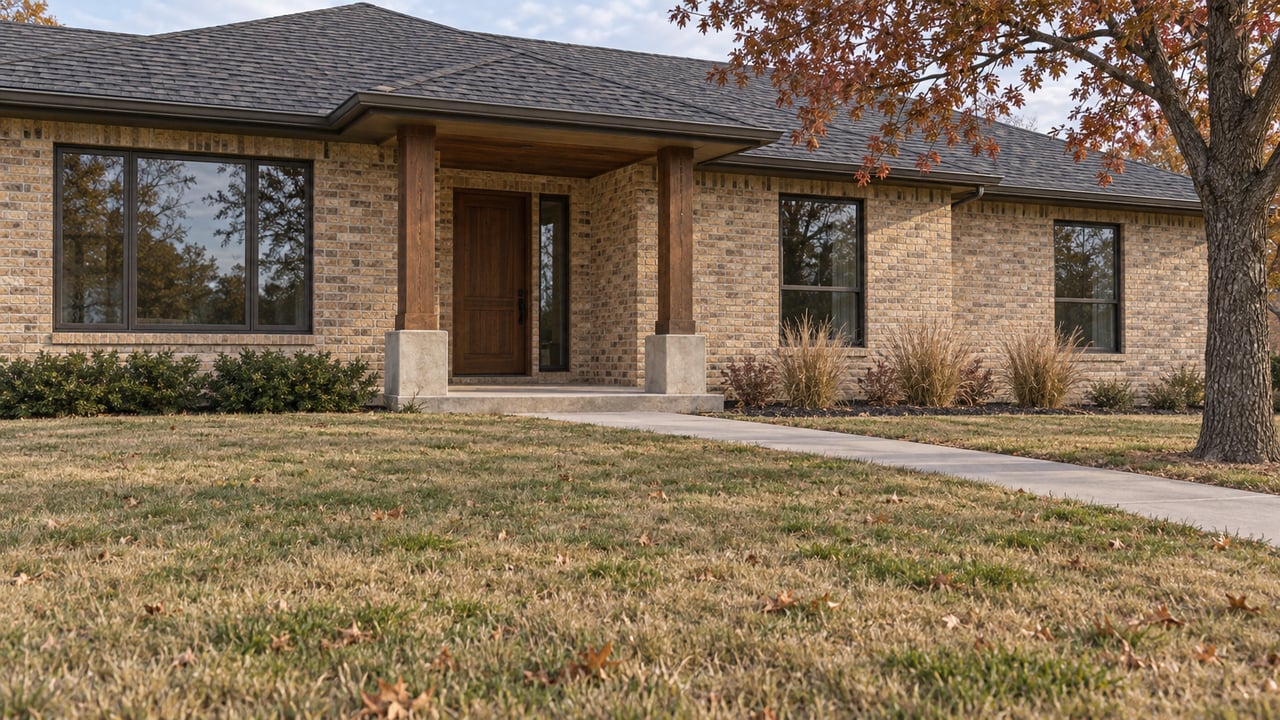
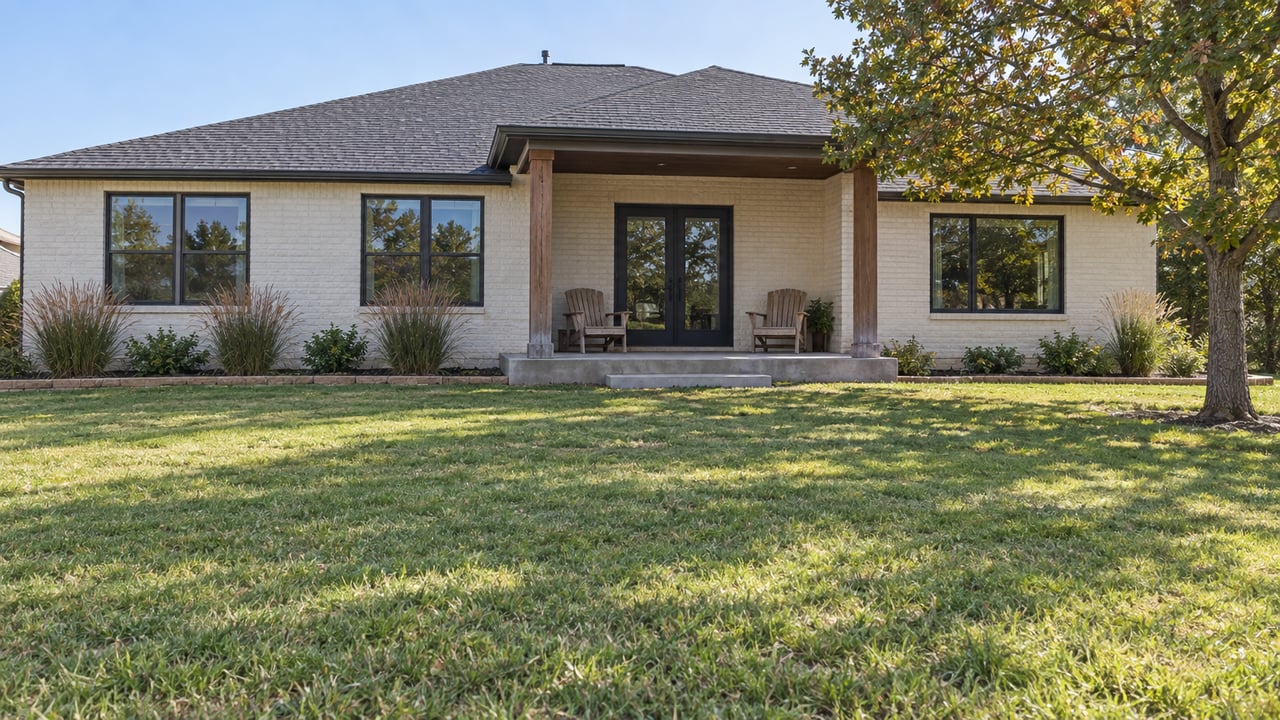
Mahogany Hills sits south of 34th Street on the west side of S. Broadway in Moore, with its entrance off Broadway at Mahogany Hills Drive. The final plat for Section 2 covers about 19 acres and 23 lots, each between 1/2 and 3/4 acre. Public water comes through an 8-inch line from Section 1. City staff wrote it plainly: "Sanitary sewer is not available," and private systems were approved with the original preliminary plat on July 1, 2019. The Moore City Council took up the final plat on January 5, 2026, and the staff summary was the same.
That lot size lines up with state rules. Oklahoma State University Extension's March 2026 fact sheet says the minimum lot for a septic system is typically 0.5 acre when the home is on public water. In other words, the half-acre lots here sit right at that line, and an aerobic system is what makes that size work. If you've only ever owned a home on city sewer in Moore, this is the part of the house you've never had to think about.
The Rule That Sets the Clock
The rule is Oklahoma Administrative Code 252:641-10-3. It requires the installer of any aerobic treatment system to maintain it "for a period of two years following the date the system was installed at no additional cost to the owner." During those two years, the installer has to:
- Repair, adjust, or replace broken or malfunctioning parts.
- Test and record the free chlorine level in the pump tank at least every six months, if the system uses spray dispersal.
- Measure and record sludge depth in the trash tank at least every six months.
- Run a clarity test in the pump tank every six months and record pass or fail.
- Tell the owner in writing what maintenance was done at each visit.
- Keep those records at the business for three years.
There's an exclusion buyers should know about. The installer doesn't have to fix damage the owner alone caused. The rule's own examples include spray heads damaged by careless use even though they retract properly, too much water use, and putting harmful items into the system. When the two years are up, the rule says the owner is "solely responsible for maintaining or hiring someone to maintain the system so that it operates as designed." A separate section of the same chapter makes the owner responsible for running the system properly and repairing it promptly if it fails.
How the Clock and the Closing Date Drift Apart
OSU Extension explains what happens when a house sells partway through those two years: "If you buy a house and the aerobic treatment system is still within the warranty period, you are eligible for the warranty until the two-year period expires." A buyer gets whatever time is left. The clock doesn't start over for them.
With new construction, the system usually goes in well before the house is done. On a spec home, it may have been installed months before anyone even toured the house. Here's an example with made-up dates. A system installed in November 2025 is covered through November 2027. If the house sells and closes in October 2026, the buyer gets about 13 months of free maintenance, not 24. If the same house sits on the market until spring 2027, the buyer gets about 7 months.
On a resale home in Section 1, which goes back to the 2019 preliminary plat, the two years may be long gone. In that case the buyer takes on full maintenance from day one. Neither situation is a problem as long as the buyer knows which one they're in before they sign.
Where the Install Date Actually Lives
Here's where things get tricky during a sale. OSU's guidance treats a pre-sale septic inspection as a recommended step. The state inspection requirements DEQ lays out cover new installations and modifications. Those have to be approved before they're put into use, either by DEQ or through a certified installer's self-inspection.
The seller disclosure form helps, but only so much. On the 2026 Oklahoma Real Estate Commission Residential Property Condition Disclosure Statement, the seller marks whether the sewer is public or private and, if private, whether it's septic/aerobic, septic/lateral lines, or septic/lagoon. Sellers also have to disclose known defects with the sewer, septic, lateral lines, or aerobic system. The form says its answers "are not warranties" and are no substitute for inspections. It doesn't ask when the system was installed.
The install date is in a different document. OSU points buyers to the DEQ final inspection report, also called the as-built. It shows the system type, the installation date, and where each part is located, and OSU says you can request a copy from DEQ Central Records. Pair that with the installer's written visit notices, which the rule already requires, and you can figure out exactly how much coverage is left and whether the six-month checks were actually done.
One more detail is worth asking about on newer homes. Starting November 1, 2025, installers who aren't DEQ-certified can install only one system per calendar year. Their work also has to be inspected by DEQ staff before it's backfilled or put into use. Asking who installed the system tells you who should be making those maintenance visits.
What It Costs After the Clock Runs Out
Once the free period ends, the costs below come with the house. These are published estimates from Central Oklahoma providers, not quotes for any particular lot, so check current pricing before you budget around them.
| Item | Published figure | Source and date |
|---|---|---|
| Aerobic inspection with sludge measurement | $135 | Sooner Home Inspections posted price list, undated |
| Aerobic preventive maintenance | About $175 per visit or $350 per year | Red Dirt Septic, May 2026 |
| Tank pumping | $400 to $700, depending on tank size | Cyclone Septic, August 2026 |
| Aerobic spray system, installed | $9,000 to $15,000 | Cyclone Septic, August 2026 |
The figures that matter most are the inspection and maintenance numbers. A buyer with seven months of coverage left will be paying for maintenance sooner than a buyer with nineteen. Using the May 2026 estimate, that's about $350 a year, and you can plan for it at the closing table. The replacement figure is there for scale. It shows why the six-month records are worth reading.
From my years in construction and rentals, I'd say an inspection is only as good as what it actually looks at. OSU's checklist for aerobic systems covers the tanks and the dispersal area, sludge levels, any visible wet spots, and the controls, pumps, aerator, disinfectant, and spray parts. If your home inspection report just says "septic present," ask for a dedicated system inspection.
For Sellers in Mahogany Hills
If you're listing a home here, the install date can work in your favor. A buyer looking at a home with fourteen months of free maintenance left will want proof of it. Pull the DEQ as-built and the installer's visit notices before you list, and keep them with your disclosure packet. If the two years have already passed, your own service receipts do the same job. They show the system has been looked after since the free period ended. Our sellers page covers how we put together listing documents, and the Mahogany Hills neighborhood page has more on the community.
A Few Questions Buyers Ask
Can I get a new two-year period when I buy? Not under the state rule. The two years run from installation, and a buyer gets whatever time is left.
Is Mahogany Hills getting city sewer? The city records I reviewed say sanitary sewer isn't available. I didn't find a schedule for extending it to the subdivision, so plan on the aerobic system being permanent.
Does Moore require an ongoing service contract? I didn't find a Moore ordinance requiring one. The state rule says the owner is responsible for maintenance after the two years end. It doesn't say the owner has to sign a contract.
Where do I start if I'm buying my first home with a septic system? Our buyers page walks through the steps from offer to closing, and our earlier post on buying in Mahogany Hills covers the basics.
If you're looking at a home in Mahogany Hills and want help figuring out its install date, how much free maintenance is left, and what to budget once it runs out, Cosby Property Group can pull that paperwork with you before you sign. Let's Connect.
This article is general information, not legal, tax or financial advice. Consult a qualified professional about your situation.