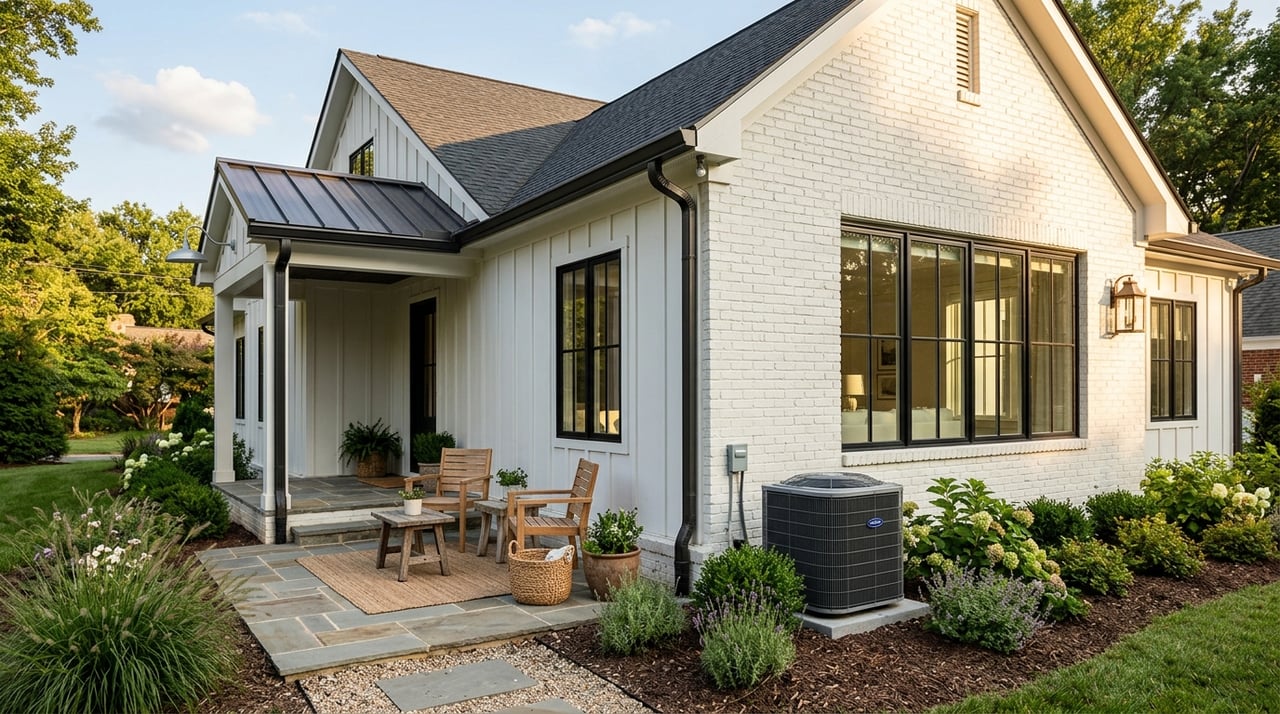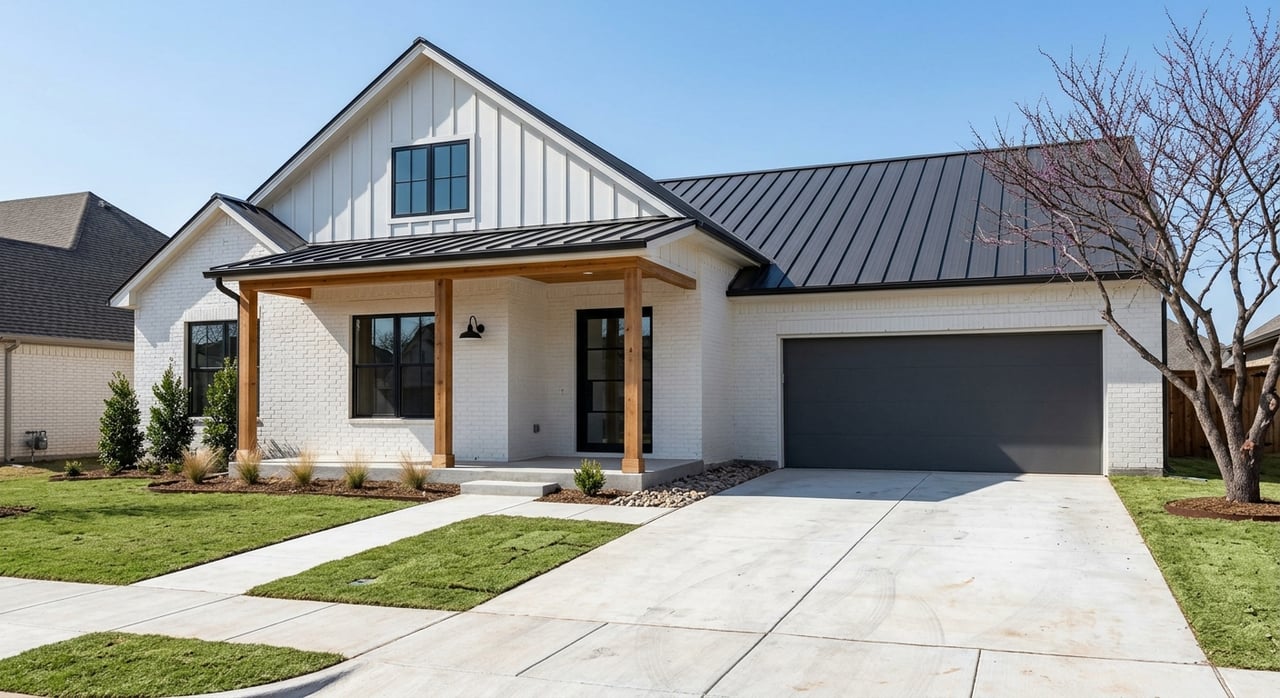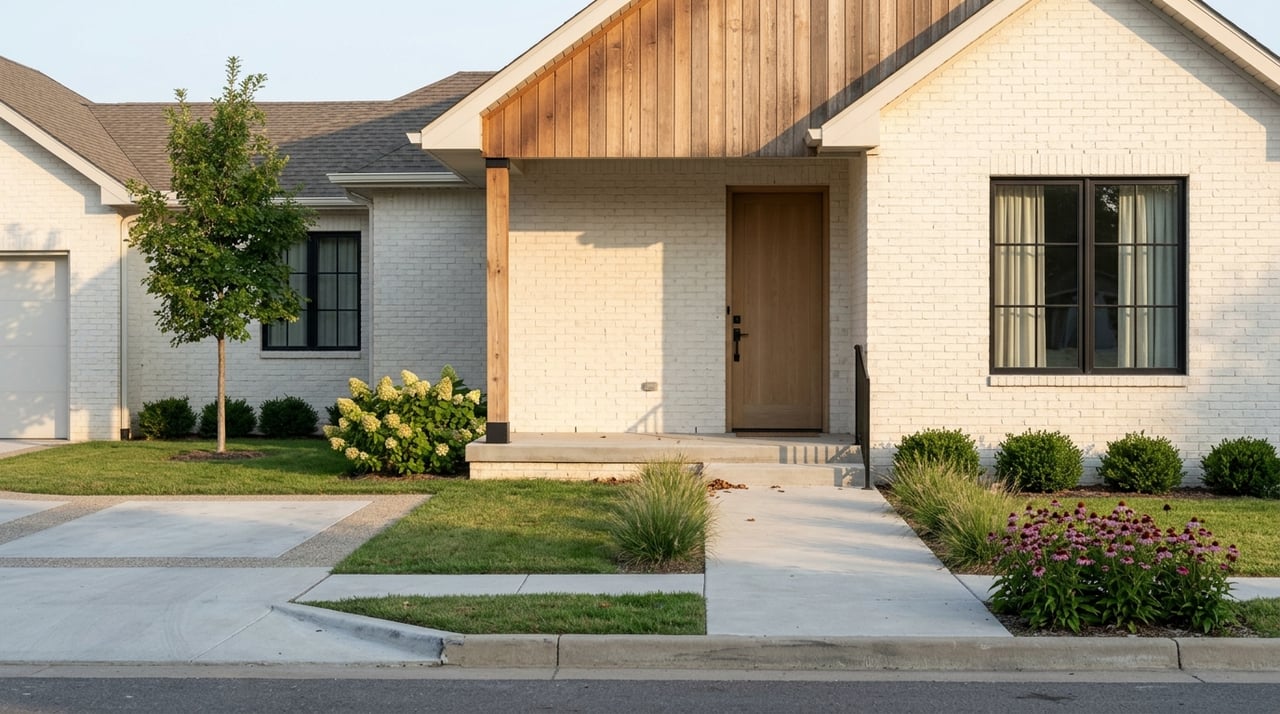
If you love your current home but feel squeezed on space, privacy, or layout, you are not alone. Many homeowners in and around Mahogany Hills start thinking about a move-up purchase when life changes and the next season calls for a little more room to breathe. The good news is that you can make that move with less stress when you plan the timing, budget, and contract details upfront. Let’s dive in.
Why Mahogany Hills attracts move-up buyers
Mahogany Hills Estates stands out for a layout that feels different from a typical tighter subdivision pattern. City of Moore records describe the area south of SW 34th Street and west of Broadway Avenue, with a revised preliminary plat approved in 2025 for about 23 residential lots across roughly 19 acres.
Those lots were proposed at about one-half acre to three-quarter acre, with public water and previously approved private septic systems. For you as a move-up homeowner, that matters because the appeal is often about larger lots, more separation from neighbors, and a different suburban feel.
If your next move is about more outdoor space, a wider homesite, or a layout that better fits your day-to-day life, Mahogany Hills can naturally enter the conversation. It is the kind of area that may suit buyers looking for more than a standard in-town lot.
What the 73160 market means for your move
The 73160 market is still active, and that affects both sides of your move. Redfin reported a May 2026 median sale price of $234,930, median days on market of 31, a 98.9% sale-to-list ratio, and 25.6% of homes selling above list.
Zillow’s separate index showed an average home value of $225,121, with homes going pending in about 12 days. The numbers are not identical because the platforms track different things, but they point in the same direction: buyers need to be ready, and sellers still need strong pricing and presentation.
That mix can create opportunity if you own a home to sell and want to buy up. You may still benefit from solid buyer demand, but you also need a realistic plan because timing and monthly payment matter more in today’s market than they did during the peak frenzy years.
At the state level, Oklahoma REALTORS reported 6.68 months of inventory in March 2026. That is a little above the traditional six-month balanced market mark, which suggests the market is not as one-sided as it once was.
Mortgage rates also deserve your attention. Freddie Mac’s 30-year fixed mortgage average was 6.43% on July 2, 2026, so even a modest increase in purchase price can change your payment more than you expect.
Start with your real budget
Before you tour homes, get clear on what your move-up really costs. That means looking beyond your current home’s likely sale price and asking how much cash will be left after the sale, plus how much cash the next purchase will require.
Oklahoma’s form library includes an Estimated Net to Seller form and an Estimated Cost to Buyer form. Those tools can help you compare options before you commit to a timeline that feels good emotionally but does not work well financially.
A move-up plan usually works best when you map out:
- Your expected sale proceeds
- Your next down payment target
- Closing costs on both transactions
- Moving and temporary housing costs
- A cushion for repairs, deposits, or overlap
This is where a practical, numbers-first approach helps. If your next home has a higher payment and your current home needs prep work before listing, you want to know that early.
Should you sell first or buy first?
This is usually the biggest question for move-up homeowners. The right answer depends on whether your current home needs to sell in order to fund the next purchase.
When selling first makes sense
Selling first usually lowers the risk of carrying two mortgages at once. It can also give you a firmer budget because you know how much cash you actually have after closing.
If monthly payment sensitivity is a concern, this route may feel safer. It can also reduce pressure if rates, repairs, or appraisal results affect your numbers.
When buying first may help
Buying first can make sense if you are worried about missing the right replacement home. In a market where homes can go pending quickly, some households prefer to secure the next property before letting go of the current one.
The tradeoff is more timeline risk. You may need to carry overlap, line up temporary housing, or make your contract terms very specific so your financing plan matches reality.
The key is matching contract terms to your plan
In Oklahoma, this point is especially important. The official contract form library includes tools for buyers who must sell an existing home, including Conditioned on Sale - Not Under Contract, Conditioned on Sale - Presently Under Contract, and a Back-Up Supplement.
Those forms matter because the need to sell first should be written into the contract when it applies. It should never be assumed.
Why financing language matters in Oklahoma
For move-up buyers, one of the biggest mistakes is thinking your sale contingency is automatically covered by your loan contingency. Oklahoma’s 2026 Conventional Loan form says buyer qualification is part of the financing contingency, but loan approval is not subject to the sale or closing of your current property unless that is stated elsewhere in the contract.
In plain terms, if your current home must sell first, that condition needs to be clearly written into the deal. If it is not, you could have a contract on the next home without the protection you thought you had.
The same financing supplement also provides a cancellation path if financing fails within the stated deadline. That is another reason deadlines and terms need close attention when you are trying to coordinate two transactions.
Appraisal risk is still worth planning for
Even in a fairly steady market, appraisal issues can affect a move-up purchase. In 73160, sale prices have stayed fairly firm, which is helpful for sellers, but it also means you should be ready if an appraisal comes in below the contract price.
Under Oklahoma’s Conventional Loan supplement, a buyer has the right to cancel within three days after notice if the property appraises below the purchase price, with earnest money returned if the contract is canceled. That protection can be important when you are balancing sale proceeds, loan approval, and the cost of your next home.
Prep your current home before you list
A move-up sale is not just about cleaning and staging. It should also include maintenance review, documentation, and required disclosures.
Oklahoma’s standard Residential Sale form and related disclosures cover financing provisions, inspections, disclosures, title requirements, repairs, and closing procedures. The state also provides Property Condition Disclosure Act guidance and disclosure forms, plus lead-based paint disclosure forms for homes built before 1978.
That means your prep stage should include more than cosmetic touch-ups. It is smart to gather records, review known issues, and think ahead about what a buyer is likely to ask once inspections begin.
Inspections can reopen negotiations
Oklahoma’s form set includes a Notice of TRR for requested treatments, repairs, or replacements after inspections. In real life, that means buyers often use inspections as a point of negotiation.
If you handle obvious maintenance items early and price with condition in mind, you may reduce friction later. This is one place where a practical construction-minded eye can help you focus on the fixes that matter most before the home hits the market.
Plan for overlap and temporary housing
Many move-up homeowners hope both closings will line up perfectly. Sometimes they do, but often they do not.
If your sale and purchase will not close on the same day, make a written plan for the gap. Oklahoma’s form library includes a Residential Lease Agreement and Residential Lease Supplement, which can document occupancy rules, deposits, maintenance obligations, notices, and other terms.
The practical takeaway is simple: if you need short-term occupancy after closing or a temporary rental between homes, put it in writing. Verbal plans are not enough when your move affects money, timing, and possession.
For a rough frame of reference, Zillow showed an average rent of $1,492 per month in 73160 as of May 31, 2026. That does not predict your exact cost, but it can help you budget for a short bridge if needed.
If you are eyeing new construction
Some move-up buyers in the Mahogany Hills area may be considering new construction. If that is your path, the timeline conversation becomes even more important.
Oklahoma’s form library includes a separate New Home Construction contract. That matters because builder schedules do not always line up neatly with the closing date on your current home.
In those situations, your strategy is less about choosing sell first or buy first in the abstract and more about managing timeline risk. You want a plan for financing, possession, and contingency language that fits the builder’s schedule and your current home sale.
A simple move-up strategy for Mahogany Hills homeowners
If you want to keep the process clear, focus on a few core steps:
- Review your current equity and cash needs using realistic sale and purchase numbers.
- Decide whether your current home must sell first to make the next move work.
- Build the right contract protections using Oklahoma forms that match your situation.
- Prepare your current home thoroughly with maintenance, disclosures, and pricing discipline.
- Plan for inspection, appraisal, and timing issues before they happen.
- Create a backup housing plan in case the closings do not line up.
A move-up purchase is exciting, but it is also a chain of decisions. The smoother your chain, the more confidence you can bring to both transactions.
If you are thinking about moving up in Mahogany Hills or the broader 73160 area, a step-by-step plan can help you protect your budget and reduce surprises. When you want practical guidance on timing, prep, and the next purchase, connect with Rachel Cosby.
FAQs
Should Mahogany Hills homeowners list before shopping for the next home?
- It depends on whether your current home needs to sell to fund the next purchase. Selling first can reduce the risk of carrying two mortgages, while buying first may help you secure the right replacement home.
What Oklahoma contract forms help move-up buyers who need to sell first?
- Oklahoma’s form library includes Conditioned on Sale - Not Under Contract, Conditioned on Sale - Presently Under Contract, and a Back-Up Supplement to help address chained transactions.
Does an Oklahoma loan contingency automatically cover selling my current home?
- No. Oklahoma’s 2026 Conventional Loan form says loan approval is not subject to the sale or closing of your current property unless that condition is stated elsewhere in the contract.
What appraisal protection do Oklahoma move-up buyers have?
- Under the Oklahoma Conventional Loan supplement, a buyer may cancel within three days after notice of a low appraisal, with earnest money returned if the contract is canceled.
How should 73160 homeowners budget for a gap between closings?
- Build in a cushion for temporary housing, moving costs, deposits, and overlap. As one local reference point, Zillow showed average rent in 73160 at $1,492 per month as of May 31, 2026.
What should Mahogany Hills sellers do before listing a move-up home?
- Focus on maintenance, repair documentation, required disclosures, and realistic pricing. In Oklahoma, prep should include more than cosmetic cleanup because inspections and disclosure review can shape negotiations.