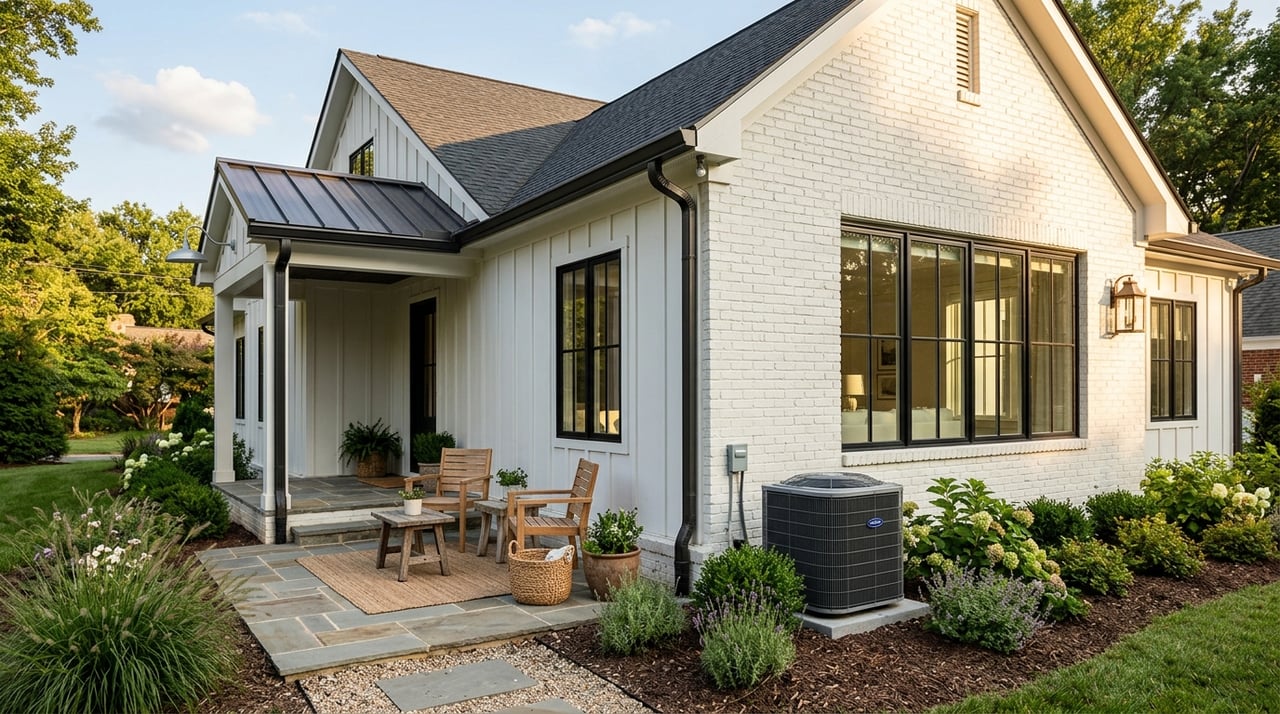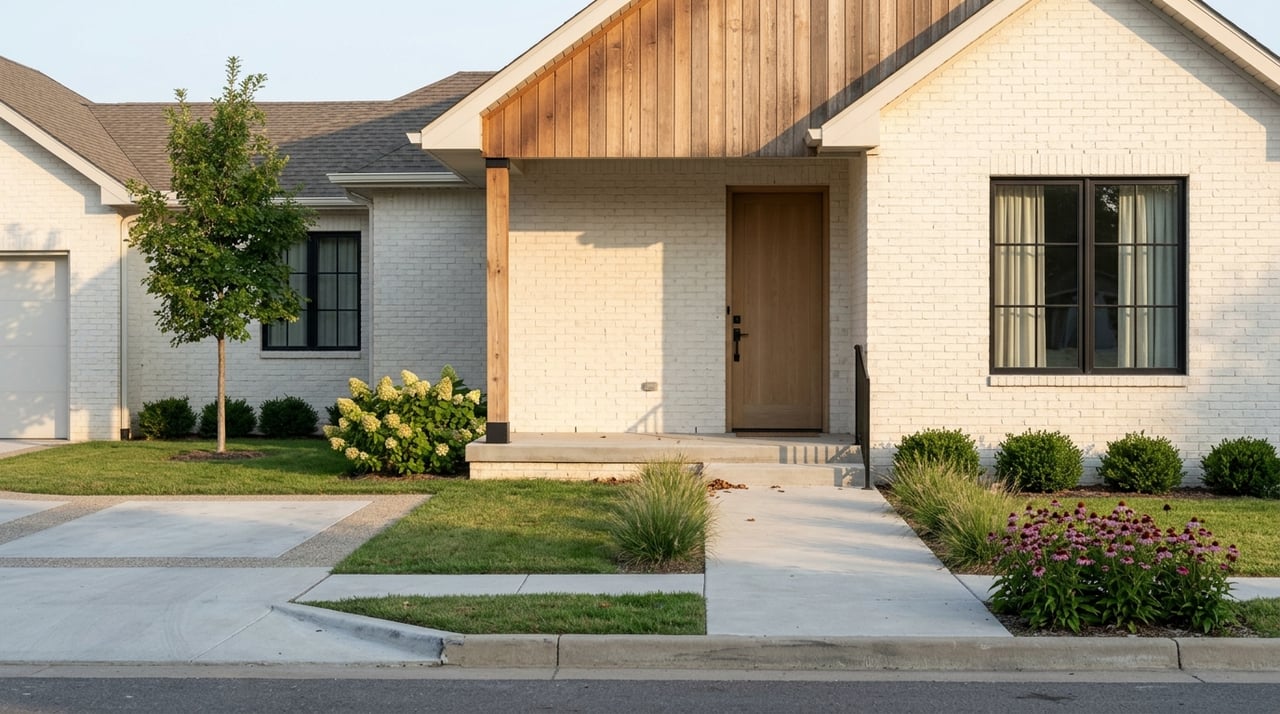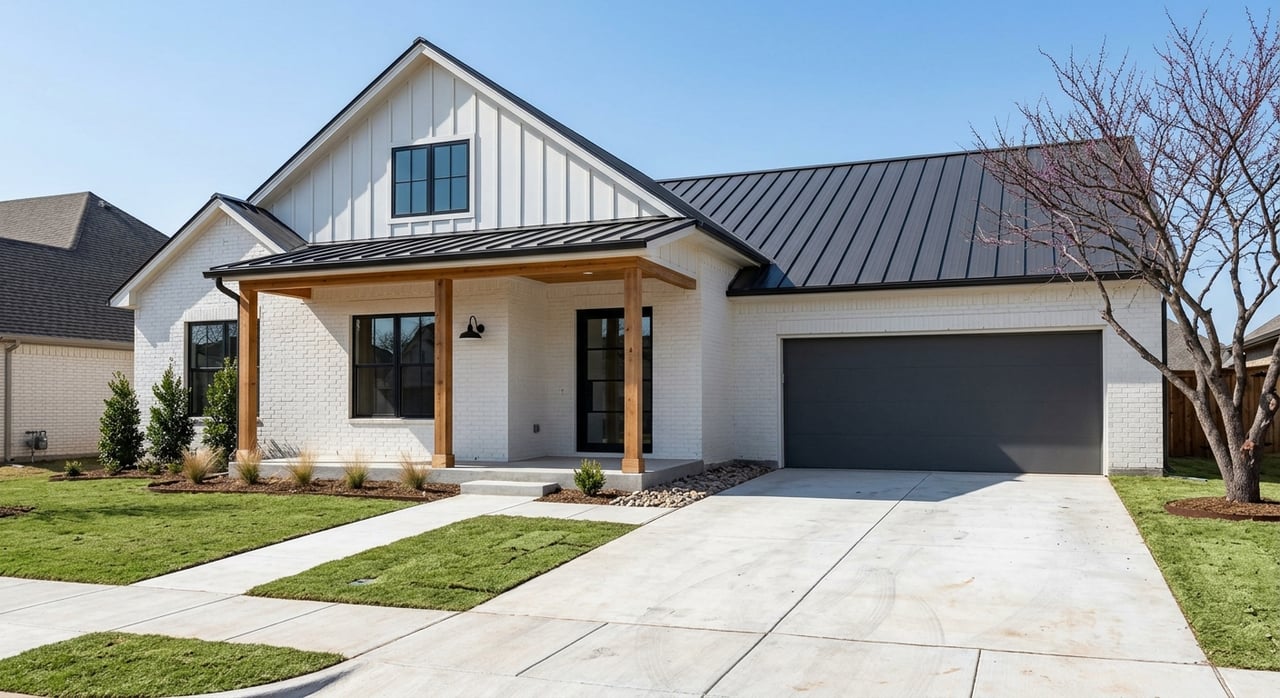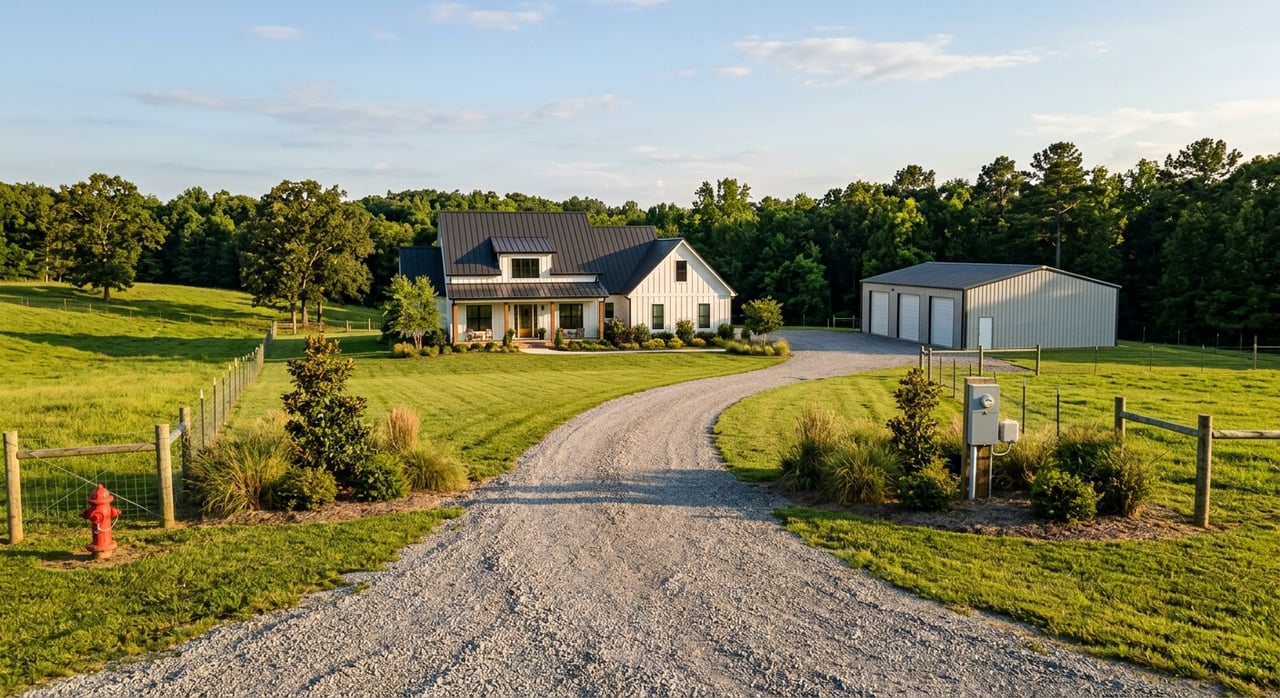
If you are shopping Riverview Estates because you want elbow room, a future shop, or a little more breathing space than a standard neighborhood lot, the lot size on paper is only part of the story. In Newcastle, the real value of an acreage property often comes down to how usable that land is once you account for drainage, easements, utility setup, HOA rules, and permit limits. This guide will help you look past the headline acreage and evaluate what a Riverview Estates lot can actually do for your lifestyle and budget. Let’s dive in.
Why acreage is not the whole story
Riverview Estates appears to be a multi-phase estate-lot community in Newcastle, with McClain County plat maps showing Riverview Estates Addition and Riverview Estates Sec. 2, and Section 3 marketed as coming soon. Current marketing for the neighborhood describes 1/2+ acre lots, access to I-44 by way of Highway 37, shop buildings that match the home’s exterior, and annual HOA dues of $300.
That sounds appealing if you want more room to spread out, but deeded acreage and usable acreage are not always the same thing. On a platted lot, the portion you can actually build on or improve may be reduced by setbacks, easements, drainage needs, right-of-way areas, and approved development standards.
How Newcastle rules affect lot usability
Newcastle’s subdivision regulations are built around drainage, flood protection, utilities, open space, and the relationship between streets and lot layout. That matters in Riverview Estates because the way a lot is platted can shape how practical it feels long after closing.
The city’s E-3 residential estates district is intended for single-family development in areas that are not served by public sanitary sewer. Even if a lot looks generous on paper, the practical use of that land can change depending on utility placement, septic requirements, and the approved development pattern.
Site plans tell you a lot
Newcastle’s permit packet requires a site plan showing:
- Utility locations
- Easements and right-of-way widths
- Lot lines
- Adjacent streets
- Driveway location and dimensions
- Fence location, if applicable
- Existing structures
That list gives you a good preview of what matters during due diligence. If you are comparing two similar lots, the better buy may be the one with a cleaner layout and fewer constraints, not just the larger lot size.
The 65% impervious coverage limit matters
Newcastle’s impervious coverage worksheet says roofed areas, paving, and other impervious improvements cannot exceed 65% of the total lot area. That can affect how you think about value, especially if a property already has a long driveway, large patio, detached garage, or other hard-surface improvements.
If you hope to add a shop building later, this is an important number to understand early. A lot that already uses a big share of its allowable coverage may give you less flexibility for future additions.
Why the PUD status matters
The city zoning table shows a Riverview Estates tract was rezoned to PUD on November 8, 2021. In Newcastle, a PUD is a special zoning district with special review procedures, which means the approved plat and development plan can be just as important as the zoning label itself.
In plain terms, you should not rely only on marketing remarks or general assumptions about the neighborhood. For any specific lot, you will want to review the recorded plat, the PUD approval details, and any governing covenants for that section.
Shop buildings may need more than a yes or no
Current neighborhood marketing says shop buildings are allowed if they match the home’s exterior. That may be a great fit for buyers who want storage, hobby space, or a work area, but the exact standards should be verified against the governing documents for the section you are considering.
This is one of those places where details matter. The question is not just whether a shop is allowed, but also what size, placement, materials, and approval process may apply.
Utilities and improvement costs to review
If you are buying a home in Riverview Estates, or planning future improvements, utility status deserves close attention. Newcastle’s permit packet distinguishes between a new meter and an existing meter, and between a new well and a new septic system.
The same packet also asks for a DEQ report for septic or aerobic systems when applicable. That means utility setup is not a small footnote. It can affect timeline, cost, and what type of improvements make sense for the lot.
Current utility charges can shape your budget
Newcastle’s utility rates effective January 2026 list:
- $34 base water charge for a 5/8-inch meter
- $24 sewer base charge
- Water and sewer taps ranging from $335 to $1,030
- Water and sewer impact fees each ranging from $3,500 to $8,500 depending on meter size
- A $647 transportation impact fee per single-family lot
If you are building, adding major improvements, or comparing a finished home to a lot purchase, these numbers are part of the true ownership picture. They may not apply the same way to every property, so it is important to confirm the current setup for the lot you are evaluating.
Inspections are part of the process
For new construction and major additions, Newcastle uses its MGO permitting system and requires at least 24 hours notice for inspections. The city’s inspection list includes footing, foundation, driveway, plumbing, electrical, framing, and final inspections.
From a buyer’s perspective, this matters because improvements are not just about the finished look. You also want to understand whether a property’s existing features and any planned additions fit the city’s process and standards.
Floodplain and drainage are worth checking early
Flood risk can affect both value and future plans. If any part of a site lies in a flood hazard area, Newcastle requires a floodplain permit.
For residential property in a flood hazard area, the city requires the lowest floor to be at least 1 foot above base flood elevation. Utilities and equipment must also be elevated to reduce flood damage, and water and sewer connections need backflow devices.
Why this matters before you offer
A lot can look ideal until floodplain limits change where you can place a home, shop, driveway, or other improvements. That is why floodplain status is something to confirm before you get too far down the road.
This is especially true for acreage-minded buyers who are focused on flexibility. The land that feels most valuable is usually the land that gives you the fewest surprises later.
HOA and long-term ownership costs
Newcastle’s code says every subdivision of four lots or more must include a property owners’ organization. That organization may be responsible for private roadways, common areas, open space, parking areas, lighting, landscaping, security measures, liability insurance, and assessments.
The city can also intervene if those responsibilities are not handled reasonably. For you as a buyer, that means HOA dues are only one part of the conversation. You also want to understand what the organization maintains, what approvals it controls, and what obligations come with ownership.
Current neighborhood marketing lists annual HOA dues of $300, but that should be verified for the exact section and property you are considering. In a multi-phase neighborhood, details can vary by section.
A smart way to compare Riverview Estates lots
When you compare homes or lots in Riverview Estates, it helps to use a practical lens instead of focusing only on acreage. As someone with a construction-minded approach, I always think it is better to ask how the property will function for your day-to-day plans.
A slightly smaller lot with a better layout, cleaner utility setup, and fewer development constraints may serve you better than a larger lot with more limitations. That is especially true if you want room for a shop, driveway expansion, outdoor living, or future projects.
Use this buyer checklist
- Confirm the exact recorded section of Riverview Estates
- Use the city’s address map to verify the plat name, lot number, area, and legal description details
- Compare deeded acreage to setbacks, easements, drainage patterns, and right-of-way areas
- Review how close the lot may be to the 65% impervious coverage limit
- Verify whether the property is on city sewer or may require septic or another private system
- Budget for taps, impact fees, and permit-related costs if building or making major changes
- Check whether fences, sheds, barns, or shop buildings need approval under HOA or PUD documents
- Confirm floodplain status before offering if flexibility and future improvements are important to you
- If access involves a state highway connection, verify whether an ODOT driveway permit is required
What this means for your decision
In Riverview Estates, the value of a property is not just the lot size listed online. It is the combination of usable land, utility setup, improvement potential, recurring costs, and the rules that apply to that specific section and parcel.
If you are looking for a place that fits an acreage lifestyle, it helps to walk in with clear eyes and a solid checklist. That way, you can focus on land that works for the way you actually want to live, not just land that sounds good in the remarks.
If you want help comparing lots, reading the practical side of a property, or narrowing down what will actually fit your goals in Newcastle, Rachel Cosby would love to help you take the next step.
FAQs
What should you verify before buying in Riverview Estates?
- You should verify the exact recorded section, plat details, utility setup, easements, setbacks, floodplain status, and any HOA or PUD rules that apply to the lot.
Why does usable acreage matter more than deeded acreage in Newcastle?
- Usable acreage matters because setbacks, easements, drainage, right-of-way areas, and utility requirements can reduce how much of the lot you can actually build on or enjoy.
What is the impervious coverage limit for residential permits in Newcastle?
- Newcastle’s worksheet says roofed areas, paving, and other impervious improvements cannot exceed 65% of the total lot area.
Are shop buildings allowed in Riverview Estates?
- Current neighborhood marketing says shop buildings that match the home’s exterior are allowed, but you should verify the exact rules in the governing documents for the specific section you are buying in.
What utility costs should buyers review in Newcastle?
- Buyers should review current base water and sewer charges, tap fees, impact fees, transportation impact fees, and whether the property uses city sewer, a well, septic, or another setup.
When should you check floodplain status on a Riverview Estates lot?
- You should check floodplain status before making an offer if possible, because flood hazard rules can affect home placement, utility requirements, and future improvements.