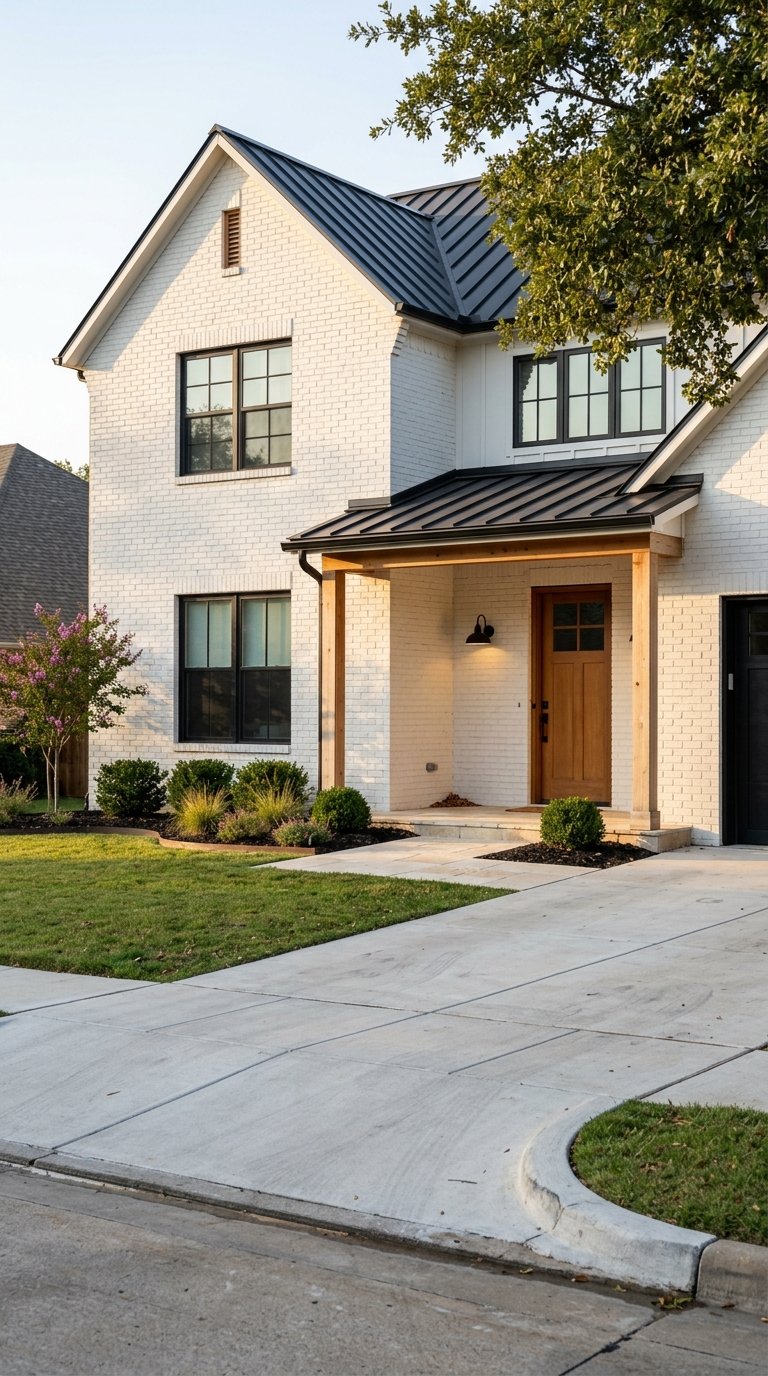
Buying your first home in Oklahoma City can feel exciting one minute and overwhelming the next. You are likely trying to balance your budget, learn the process, and make sure you do not miss something important. The good news is that the path becomes much clearer when you break it into steps and focus on the local details that matter in OKC. Let’s dive in.
Start With Your Budget
Before you look at homes, get clear on what you can comfortably afford each month. Lenders typically look at your income, assets, employment status, savings, and monthly debt payments when deciding how much they may lend.
It also helps to remember that your homebuying budget is not just the sales price. You may need cash for your down payment, closing costs, and often inspection and appraisal fees. If you are trying to keep upfront costs manageable, this is the stage where it pays to plan carefully.
Get Preapproved Before You Shop
A preapproval helps you understand your price range and shows sellers you are serious. It is an early review by a lender, but it is not a final loan guarantee.
Preapproval letters often expire in 30 to 60 days, so it is best to get one when you are ready to actively shop. Once you apply, the lender must provide a Loan Estimate within three business days, and that form becomes one of your best tools for comparing loan offers because it outlines the estimated interest rate, monthly payment, and closing costs.
While you are under way, try to keep your finances steady. Avoid taking on new debt or making large purchases before closing, since changes in your financial picture can affect your loan.
Sign Buyer Paperwork Early
In Oklahoma, there is an important first step many buyers do not expect. Before a broker begins showing you homes, you must sign a written buyer-broker service agreement.
That means one of your earliest local paperwork steps happens before touring properties. The form also states that compensation is fully negotiable and not set by law, so this is a good time to ask questions and make sure you understand how representation works.
Narrow Down Oklahoma City Areas
Oklahoma City is a market where location details can change from block to block. For first-time buyers, it is smart to verify a property by address, not just by a neighborhood name.
The city’s zoning tools can be searched by address or intersection, and some properties fall inside special design districts or other zones. That matters because permitted uses, setbacks, and exterior changes may be reviewed more closely in certain areas.
This is especially important in central OKC. Downtown has a formal design district, and Bricktown has its own urban design district with rules meant to preserve the district’s character while allowing development.
The practical takeaway is simple: two homes that seem close together can come with very different rules, renovation options, and street-level feel. If you are comparing areas, look at zoning and district details early so you know what you are buying into.
Tour Homes With a Local Lens
Once you start touring, keep your focus on both the house and the long-term fit. A home that looks great online may raise different questions in person about layout, condition, updates, or future maintenance.
This is where a practical, step-by-step approach really helps. As you walk homes, think about what will matter after move-in, like repair priorities, potential upkeep, and whether the property still fits your budget if issues come up later.
Make an Offer and Go Under Contract
When you find the right home, your next step is making an offer. In Oklahoma, the contract process commonly includes the topics first-time buyers hear about most: disclosures, inspections, title evidence, taxes and prorations, and closing.
Oklahoma also has specific property-condition rules for one- and two-unit homes. Sellers are required to provide either a disclosure statement or a disclaimer, depending on whether they occupied the property and know of defects.
That paperwork matters because it gives you a clearer picture of what the seller knows about the property. Read it carefully and ask questions if anything seems unclear.
Schedule the Inspection Quickly
After you are under contract, one of the first major steps is the home inspection. This is your chance to get an independent look at the property’s physical condition.
An inspection is not the same as an appraisal. The inspection focuses on the home’s condition, while the appraisal is an independent opinion of value that your lender may require.
If the inspection uncovers major issues, you may be able to negotiate repairs or credits. If your contract includes an inspection contingency, you may also have the option to cancel without penalty if the home is not acceptable.
For many first-time buyers, this is the moment when anxiety spikes. That is normal. The key is to use the inspection period to sort out what is serious, what is manageable, and what makes sense for your goals.
Watch for Older-Home Requirements
If the home was built before 1978, there is an extra step. Federal law requires sellers to provide lead-based paint disclosures and related information before you are obligated under contract.
In practical terms, older homes can come with extra paperwork and extra due diligence. If you are drawn to an older property in Oklahoma City, make sure you understand those requirements early.
Move Through Appraisal and Loan Review
As your lender continues processing the loan, they may order an appraisal. This helps confirm the home’s value for lending purposes.
For typical first-lien mortgages, you are entitled to a copy of the appraisal, and the lender must provide it promptly, no later than three days before closing. This is another reason to stay organized as the finish line gets closer.
During this stretch, patience matters. There can be a lot of moving parts between the lender, title company, and other parties, but each step brings you closer to closing day.
Review Assistance and Local Tax Details
If you are looking for help with upfront costs, Oklahoma has a statewide resource worth reviewing. OHFA offers down payment and closing cost assistance through approved lenders, and some programs can provide 3.5% assistance.
Program rules vary, though. Some products are open to first-time and repeat buyers, while others require first-time-buyer status, so do not assume every option fits your situation without checking the specific guidelines.
If you are buying in Oklahoma County, there are also local tax details to know. The county assessor says the homestead exemption reduces assessed valuation by $1,000 and can save about $87 to $134 depending on the location in the county.
To qualify, you must occupy the home on January 1 and have the deed filed by February 1. The county treasurer also notes that tax statements are mailed in October or November, taxes first become due on November 1, the first half becomes delinquent after December 31, and the second half becomes delinquent after March 31.
Prepare for Closing Day
Closing is the final step in buying and financing your home. Before that happens, you must receive the Closing Disclosure at least three business days before closing.
This form helps you review the final terms of the loan and your closing costs. It is worth comparing it carefully to your earlier Loan Estimate so there are no surprises.
The closing itself may involve your real estate agent, a title insurance company, and an escrow company. Once the documents are signed and funds are distributed, the loan is final and ownership transfers.
Keep the Process Simple
If you are buying your first home in Oklahoma City, the process usually follows a familiar path: prepare, preapprove, shop, inspect, appraise, and close. What often catches buyers off guard is how much the local details can shape the experience.
In OKC, those details can include buyer-broker paperwork before tours, zoning and design district rules by address, older-home disclosure requirements, state assistance options, and county tax deadlines. When you understand those pieces early, you can make better decisions and move forward with more confidence.
If you want a straightforward guide who knows Oklahoma and pays attention to the practical side of a home, Rachel Cosby is here to help you take the next step.
FAQs
What is the first step for a first-time homebuyer in Oklahoma City?
- Start by reviewing your budget, savings, debt, and monthly comfort level, then get preapproved when you are ready to shop seriously.
What paperwork do Oklahoma City buyers sign before touring homes?
- In Oklahoma, buyers must sign a written buyer-broker service agreement before a broker begins showing properties.
How long does a mortgage preapproval last in Oklahoma City?
- Preapproval letters often expire in 30 to 60 days, so they are most useful when you are ready to actively look at homes.
What should buyers check about an Oklahoma City property location?
- Verify the property by address, review zoning, and see whether it is inside a special design district because local rules can affect use, setbacks, and exterior changes.
What happens if a home inspection finds problems in Oklahoma City?
- Buyers can often negotiate repairs or credits, and if the contract includes an inspection contingency, they may be able to cancel without penalty.
What should first-time buyers know about older homes in Oklahoma City?
- If a home was built before 1978, sellers must provide lead-based paint disclosures and related information before the buyer is obligated under contract.
Are there down payment assistance options for Oklahoma City buyers?
- Yes. OHFA offers down payment and closing cost assistance through approved lenders, and some programs can provide 3.5% assistance, depending on the product rules.
What tax detail should Oklahoma County homebuyers know after closing?
- The homestead exemption may reduce assessed valuation by $1,000 if you occupy the home on January 1 and have the deed filed by February 1, and property tax due dates begin November 1.